
Why trails matter
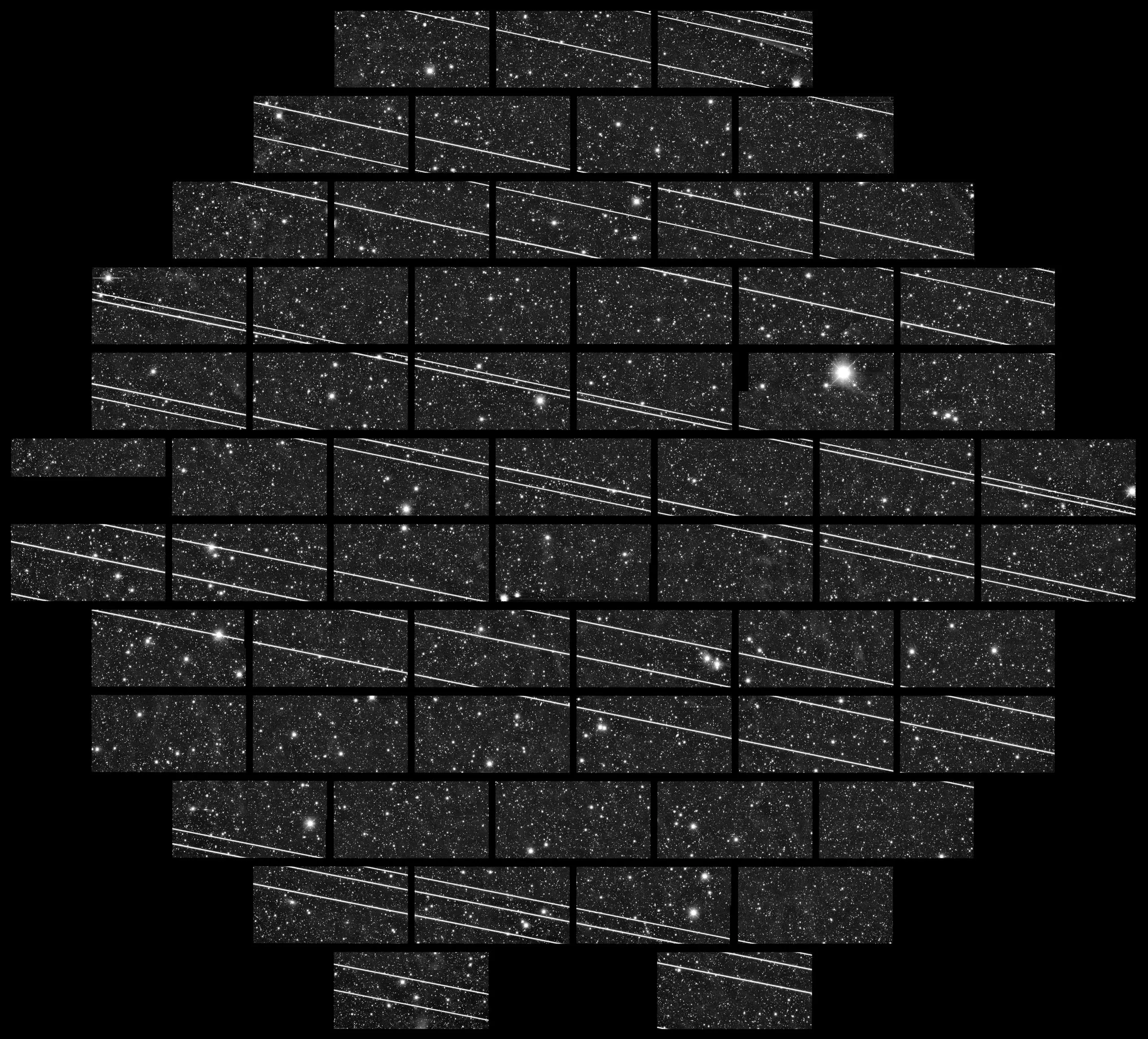
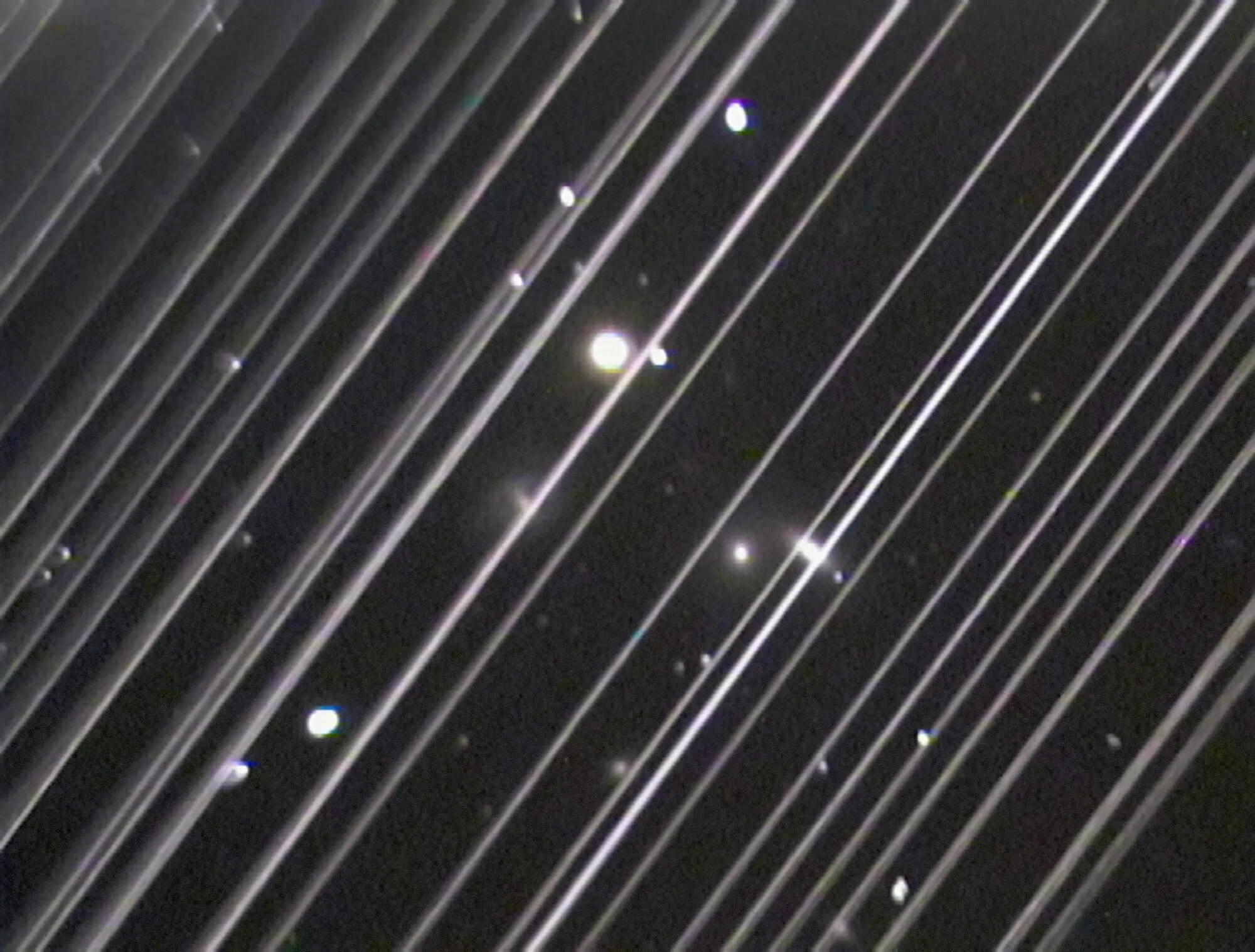
The number of satellites in low Earth orbit has grown quickly in the past few years. Sunlight reflected from them leaves bright lines across long exposures, especially in the hours after sunset and before sunrise. For amateur astronomers they spoil stacked images. For any pipeline that classifies what it sees, they are a common source of false detections.

What trailmask does
trailmask takes a calibrated frame and returns a mask marking every pixel that belongs to a trail. It is a small model with about 2.1 million parameters, built to run on an ordinary laptop processor. On images from cameras it had never seen, version 0.1 found 94 percent of trails, and 91 percent of what it flagged were real trails.
Its most common mistakes are meteors, aircraft lights and long diffraction spikes around bright stars. Telling satellites apart from meteors is the main goal for the next version, and the frames we recorded during the Perseid meteor shower in August 2026 will help with that.
The training data, model and results are described in ASRU-TN-2026-002.
Using trailmask
trailmask is part of the member image pipeline, and members can run it on their own images. We plan to publish the code and weights with version 0.2. Until then, if you would like to try it, write to support@asru.org.