Research
We build open tools that help people look more carefully at astronomical images. Our work is done by volunteers, checked by other volunteers, and published in full.
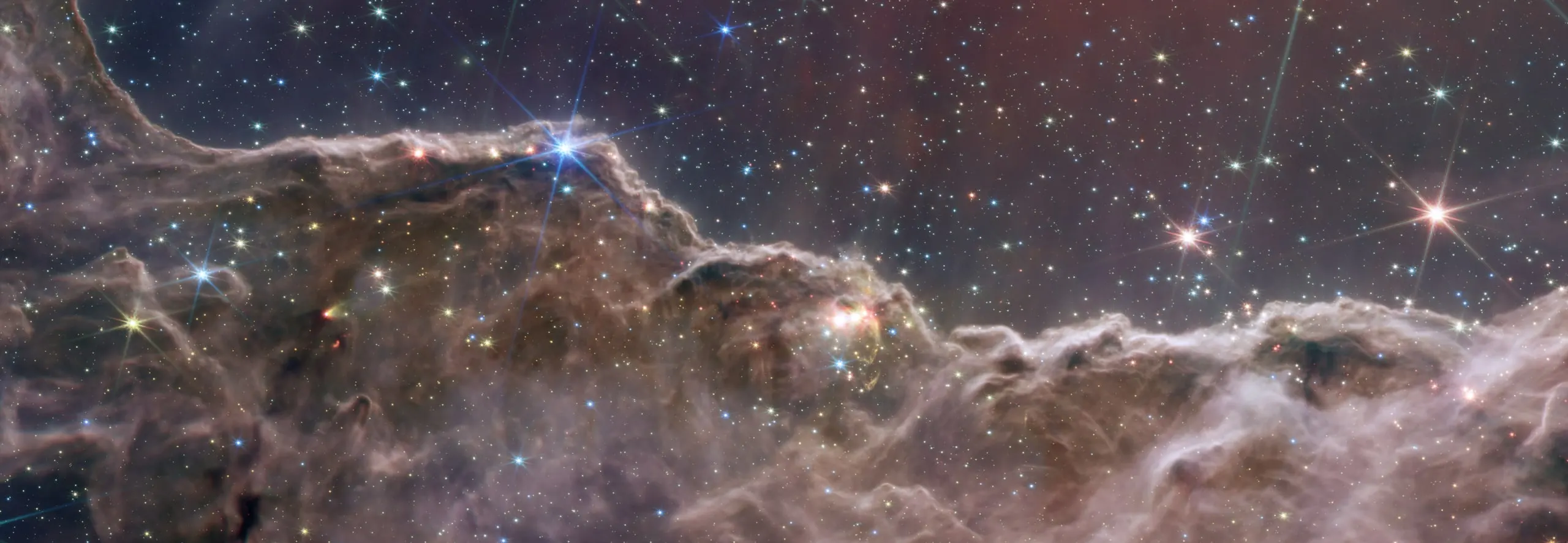
The “Cosmic Cliffs” of the Carina Nebula, imaged by the James Webb Space Telescope. Image: NASA, ESA, CSA, STScI, public domain

Programs
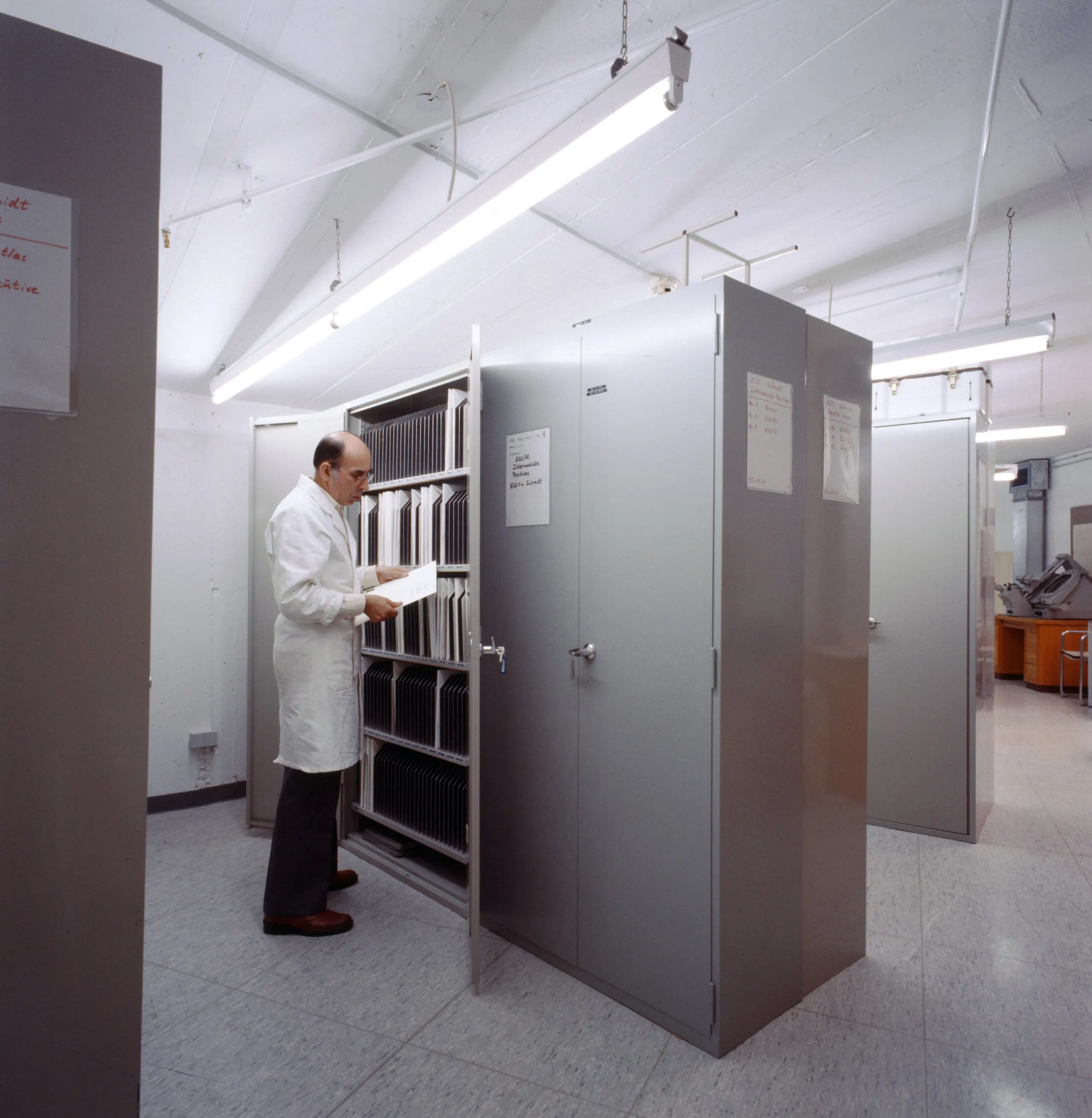
Plate Archive Project
Classifying stars, emulsion defects and handwritten annotations on digitized historical photographic plates.
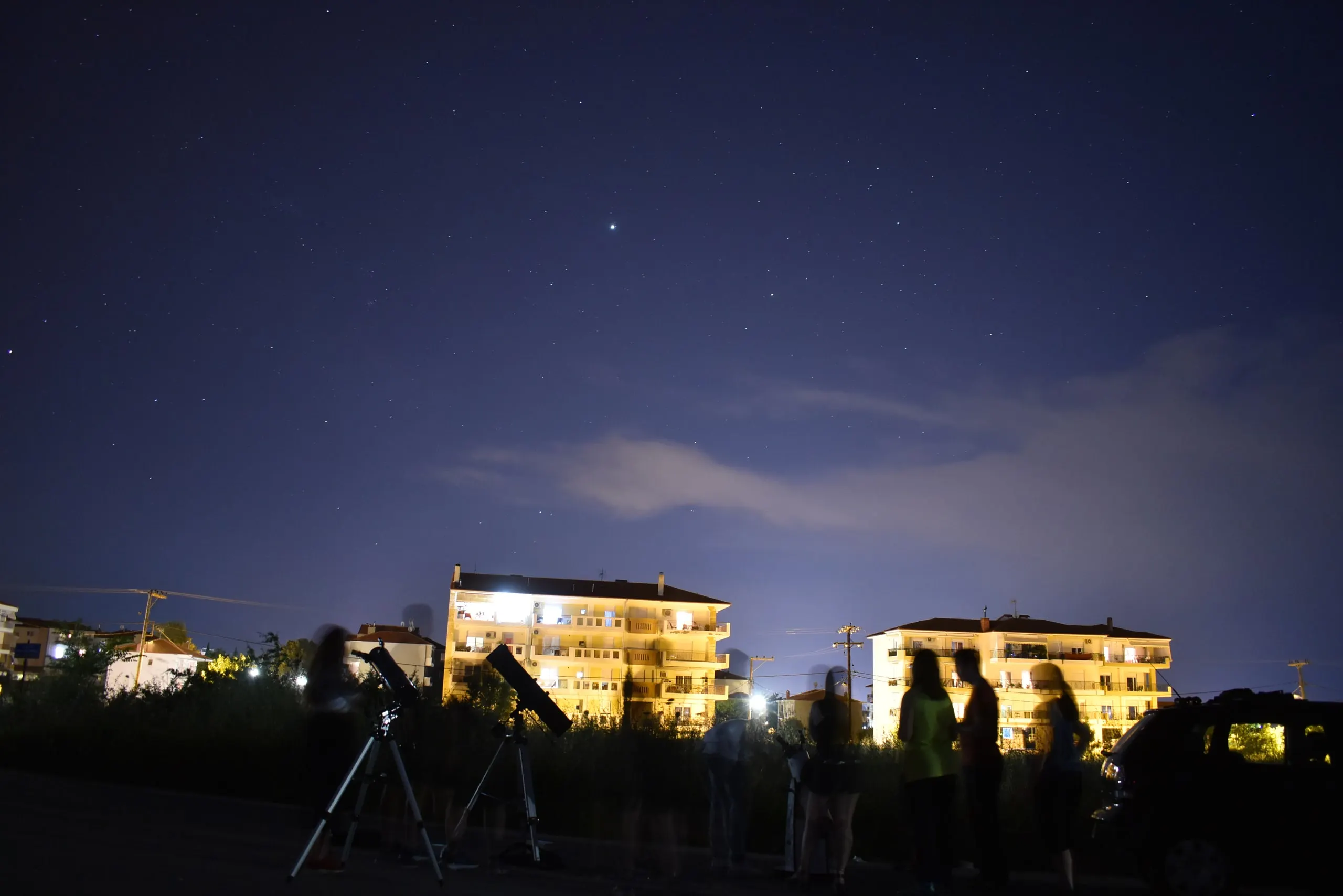
Member Image Pipeline
Calibrating, plate-solving and checking the images members take with their own equipment.
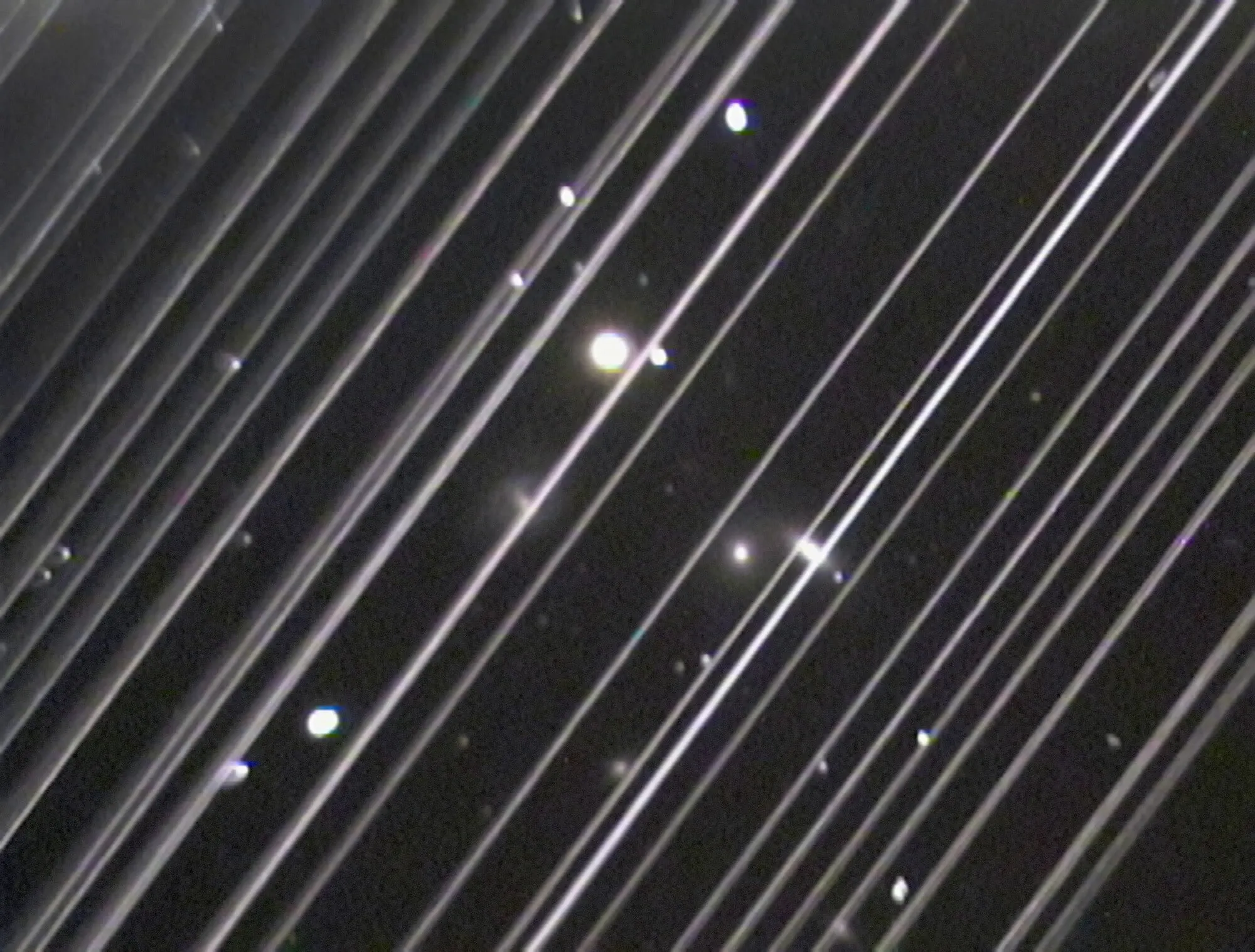
Satellite Trails
trailmask, an open model that finds and masks satellite trails in wide-field images.
How an image moves through our work
Each program uses some or all of these steps, in this order.
-
01
Ingest
Images arrive from public archives or from members, with whatever information comes with them.
-
02
Calibrate
Instrument effects are removed, using calibration frames where they exist.
-
03
Solve
Each image is matched to star catalogs so that every pixel has a position on the sky.
-
04
Detect
Sources, trails and artifacts are found and measured.
-
05
Classify
Models sort detections into classes and give each a confidence.
-
06
Review
Members check samples of the results, especially where the model is unsure.
How we work
Open by default
Code is released under the MIT license. Labels, catalogs, model weights and our own text and graphics are released under CC BY 4.0, unless a data source requires otherwise.
People check the machines
No model output is published without a measured comparison against human review. Every technical note reports where the model fails, not only where it works.
Public data, credited properly
We work with publicly released data, including the DASCH plate archive and the Gaia catalog, and acknowledge each source in the way it asks. We are not affiliated with the institutions that publish them.
Tools
Our pipelines are written in Python and use Astropy, ccdproc, SEP, the astrometry.net solver and PyTorch.
Technical notes
All technical notes- ASRU-TN-2026-003 Classifying stars, emulsion defects and annotations on digitized photographic plates October 2026
- ASRU-TN-2026-002 trailmask: a lightweight model for segmenting satellite trails in wide-field images May 2026
- ASRU-TN-2026-001 Calibration, plate solving and quality checks for member-submitted images February 2026